
[01 / EXECUTIVE_OVERVIEW]
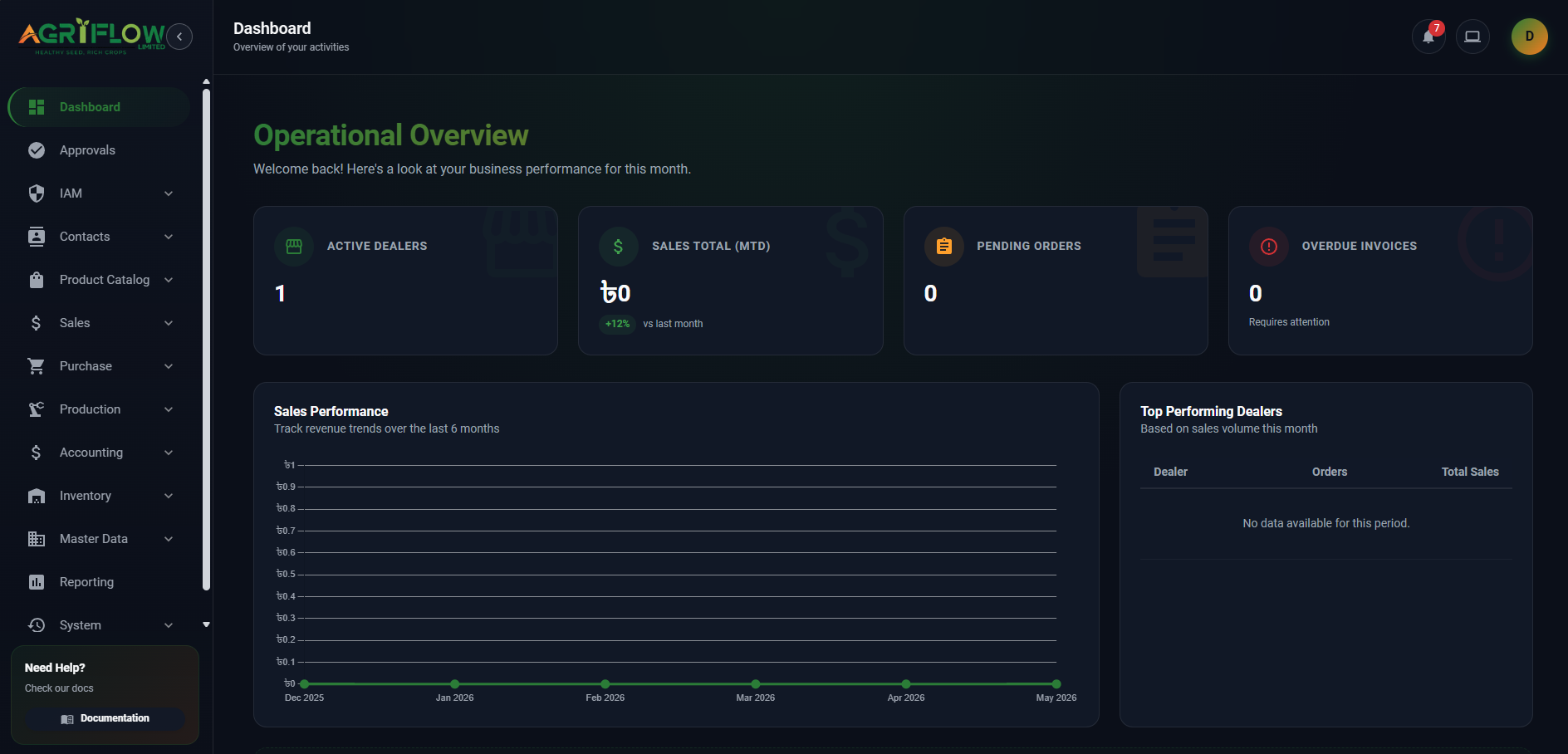
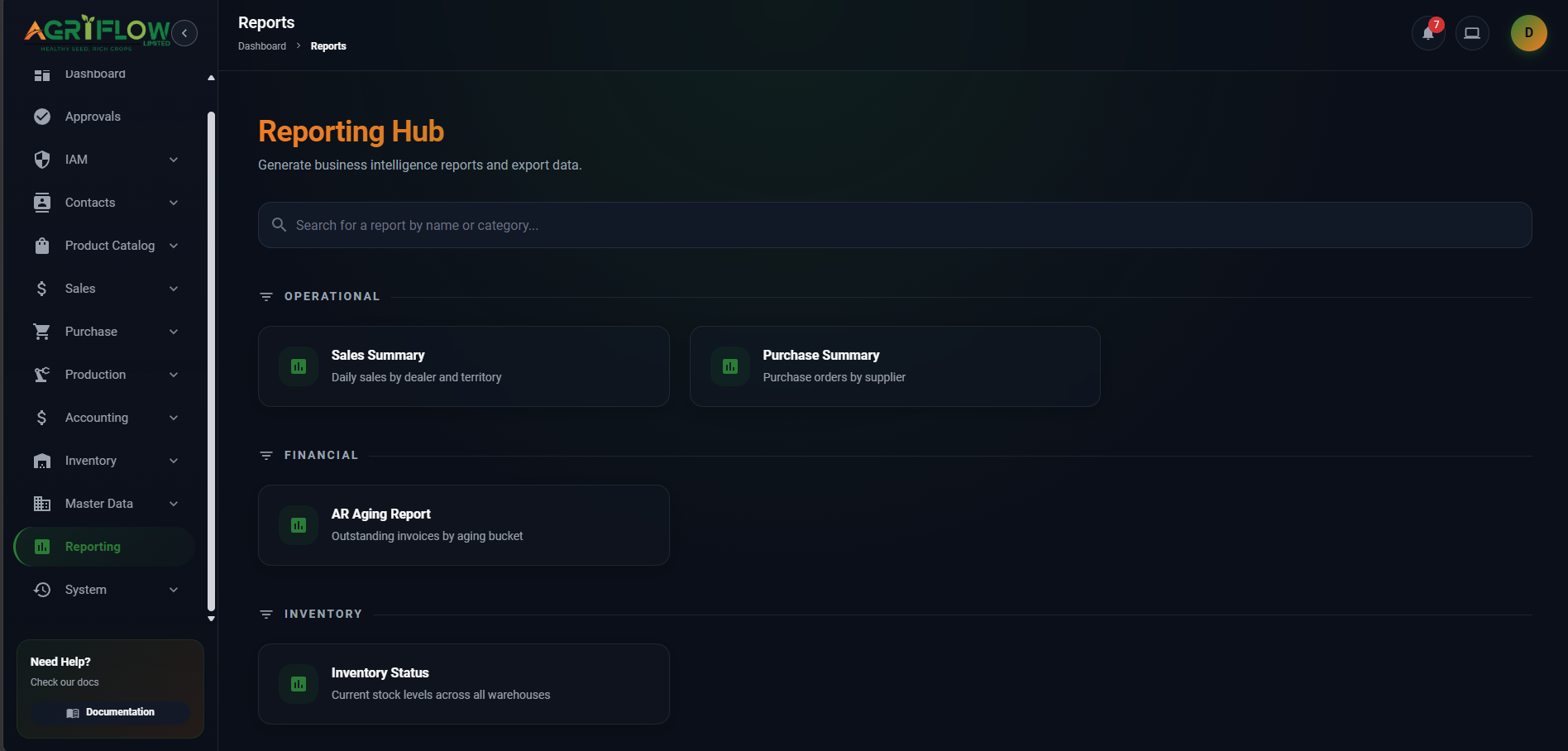
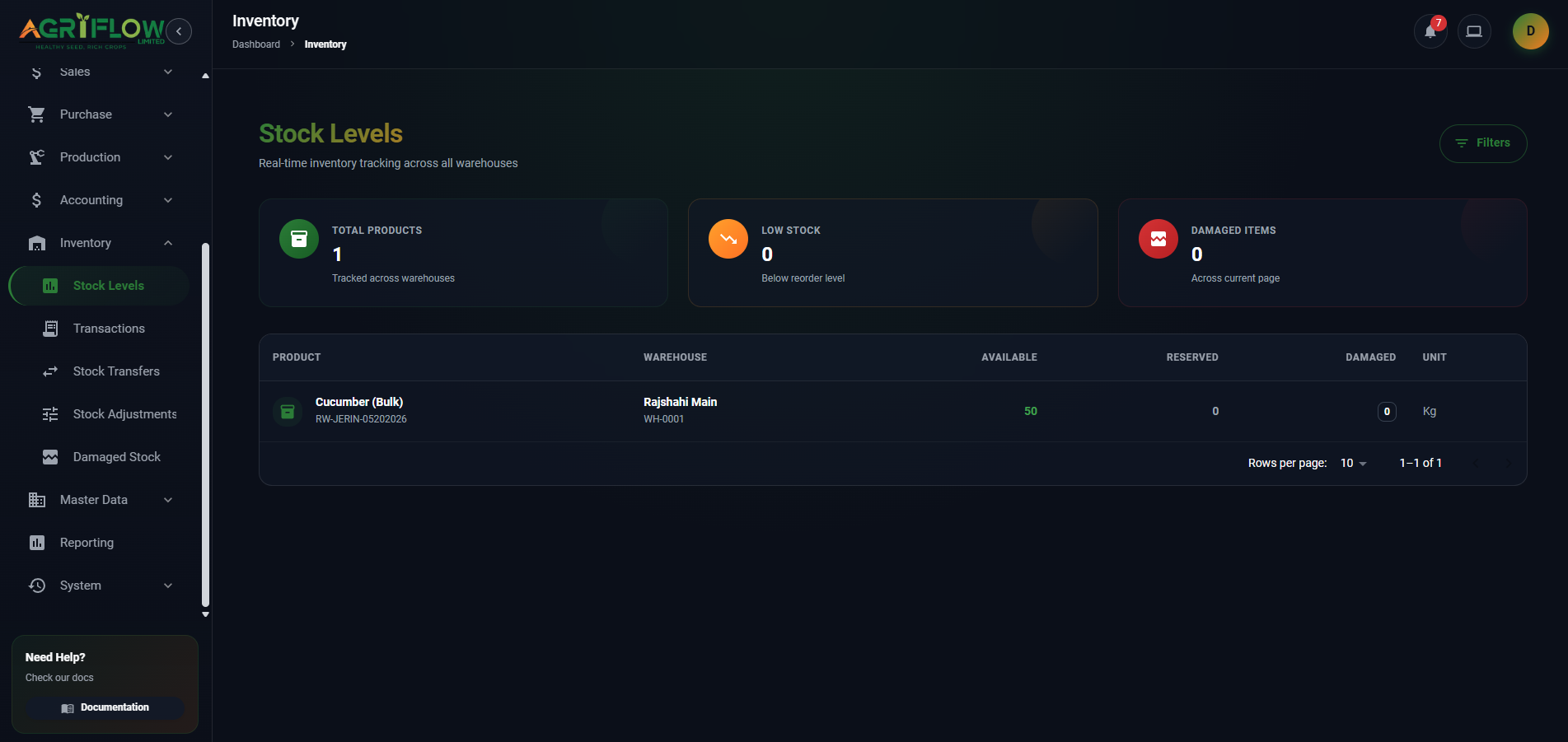
Engineered a high-performance enterprise ERP suite for supply chain management, dealer orders, and multi-warehouse accounting. Implemented an asynchronous Redis micro-batch audit queue, pattern-based Redis cache invalidation for RBAC security, connection-pooled PostgreSQL with Prisma PG adapter, and an automated promotional bonus product lifecycle with COGS tracking.
[02 / SYSTEM_PROBLEM]
An agro-industrial firm managing 100+ dealers relied on manual Excel ledgers and paper signature systems. This resulted in an average 24% stock discrepancy between warehouses and a 4-day latency to process orders. Financial reports took minutes to generate because raw SQL queries scanned millions of unindexed records under heavy lock contention, and audit log write spikes dragged down checkout throughput.
[03 / ARCHITECTED_SOLUTION]
Built an asynchronous Redis audit logging queue with micro-batching (50 records or 2s intervals) and a resilient in-memory fallback with a 5000-item backpressure cap. Designed pattern-based Redis caching (`invalidatePrefix`) with automated invalidation on RBAC role/user/warehouse updates. Added promotional bonus product support with promotional COGS tracking across sales orders, deliveries, and invoices, with balanced Journal Voucher (JV) posting for transaction fees.
[04 / DESIGN_ARCHITECTURE]
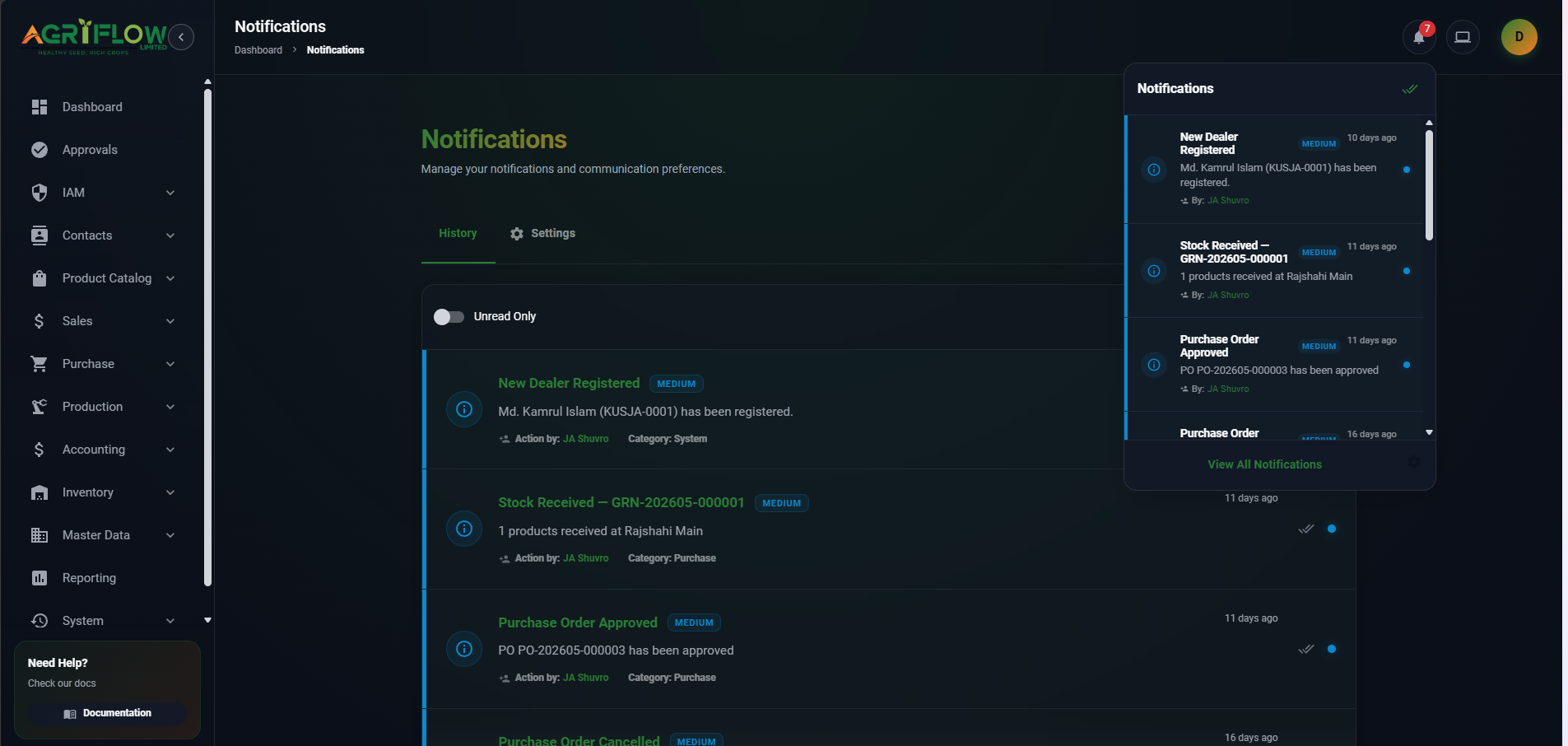
Decoupled Enterprise Architecture: Next.js App Router frontend communicating with a modular NestJS backend. PostgreSQL database layer optimized via Prisma PG adapter connection pooling. High-throughput mutations stream to an async Redis audit log queue, while WebSocket gateways broadcast real-time inventory updates and approval notifications.
[05 / DIAGNOSTIC_CHALLENGES]
Preventing audit log writes from blocking critical order submission transactions during peak dealer dispatches, and eliminating security vulnerabilities caused by stale permissions cached in Redis. Resolved by building a non-blocking RxJS queue subscriber with batch flushing and hook-based cache eviction on user/role/warehouse mutations.
[06 / KEY_SYSTEM_FEATURES]
- Asynchronous Redis audit queue with micro-batching (50 items / 2s) and graceful shutdown draining
- In-memory fallback cache with 5000-item backpressure cap and drop-oldest eviction policy
- Instant Redis cache invalidation on RBAC role, permission, user, and warehouse mutations
- Prisma PG connection pool tuning (@prisma/adapter-pg) for lock-free high-concurrency ledgers
- Promotional bonus product engine: 0-price lifecycle across SO, Delivery, Invoice, and COGS accounting
- Automated balanced Journal Voucher (JV) posting for collection & supplier payment charges
- Parallel rule-based state approval machine with flat & percent discount toggles
- Real-time dealer push notifications and live dashboard alerts via WebSockets
[07 / MEASURABLE_RESULTS]
Stock discrepancies reduced from 24% to under 0.8%. Order processing cycle dropped from 4 days to under 30 minutes. Audit logging overhead dropped to near-zero non-blocking writes, and Redis caching brought dashboard response times under 5ms.
[08 / FUTURE_ROADMAP]
- Implement predictive machine-learning algorithms to forecast dealer replenishment cycles
- Add distributed tracing with OpenTelemetry across NestJS microservice nodes
[09 / SOURCE_CHANNELS]
Developer Credentials: JA Shuvro (legally MD. Jonaed Ali Shuvro) (author & creator)
Programming Language: TypeScript
Application Category: BusinessApplication
Keywords: Next.js, React, NestJS, Node.js, Redis (ioredis), Prisma ORM, PostgreSQL, WebSockets, Tailwind CSS
Modified Date: 2026-09-15T14:00:00Z
Published Date: 2025-01-10T00:00:00Z
Repository: Private Repository (Access available upon request)
Live Demonstration: https://erp-client-six.vercel.app/